Business & Tech Essentials
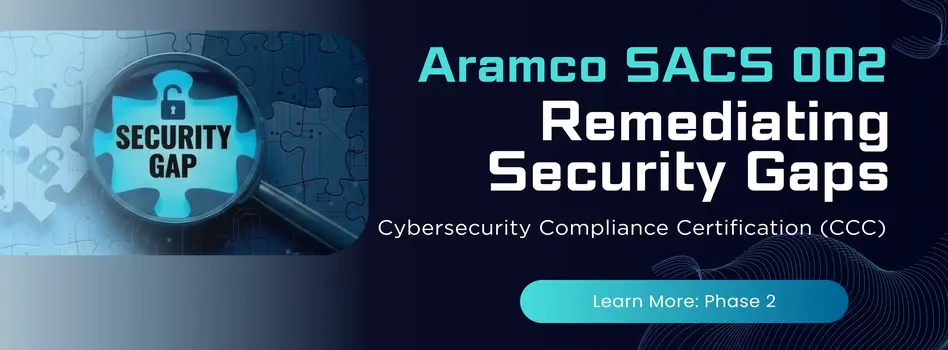
Cybersecurity Compliance Roadmap CCC: Aramco SACS 002 Security Gaps in Depth
So, You've Completed Your Assessment. Now What?
Phase 1 told you what's broken. Phase 2 is about actually fixing it.
This is where compliance gets real — and where most organizations either move forward with confidence or get stuck. Companies that take Phase 2 seriously almost always have a smoother audit. Those that rush it? They usually find out the hard way.
Right after understanding this, most companies realize one thing — compliance is not quick and doing it without expert direction leads to delays. That is where Cybersecurity Compliance Certification (CCC) Consultancy becomes critical to move fast and avoid costly mistakes.
Why Phase 2 Is Important
Identifying gaps is the easy part. Fixing them correctly is what determines whether you pass or fail the audit.
Phase 2 helps you implement real security controls, align with SACS 002 requirements, and build the kind of evidence auditors actually want to see. Without it, even the most thorough assessment won't save you.
Step 1: Fixing Security Gaps
The first objective is closing all major security gaps identified during Phase 1.
This usually includes:
- Weak password policies
- Missing MFA implementation
- Open or unused network ports
- Outdated operating systems
- Missing endpoint protection
- Poor access management
- Incomplete backup processes
- Weak firewall configurations
Organizations normally prioritize critical systems first, especially systems directly connected with Aramco environments.
Step 2: Secure Databases and Applications
Databases and business applications often contain sensitive operational data, which makes them a major focus during remediation.
Organizations usually strengthen security by:
- Applying database access restrictions
- Enabling encryption for sensitive data
- Updating vulnerable applications
- Removing unused services
- Restricting public access
- Monitoring suspicious activity
- Implementing secure authentication methods
Application hardening becomes very important for ERP systems, portals, vendor access platforms, and cloud applications.
Step 3: Implement Multi Factor Authentication
MFA is now considered a mandatory security requirement in most compliance environments.
During Phase 2, organizations usually implement MFA for:
- Remote access systems
- VPN access
- Email accounts
- Cloud platforms
- Administrative accounts
- Microsoft 365 environments
- Critical business applications
This additional verification layer helps reduce unauthorized access risks and strengthens identity protection.
Step 4: Network and Endpoint Protection
Infrastructure security is another major focus area during remediation.
Organizations normally improve:
- Firewall security
- Endpoint antivirus protection
- VPN security
- Network segmentation
- Device encryption
- Security monitoring
- Threat detection systems
Unused ports and unnecessary services are usually disabled to reduce attack surfaces.
Regular patch management is also implemented to keep systems updated against known vulnerabilities.
Step 5: Policy and Process Improvements
Technical controls alone are not enough for compliance.
Organizations also need properly documented cybersecurity processes.
This phase often includes preparing or updating:
- Cybersecurity policies
- Acceptable use policies
- Incident response plans
- Access control procedures
- Vendor management procedures
- Employee offboarding processes
- Security awareness programs
Well documented procedures help demonstrate governance maturity during audit activities.
Step 6: Security Awareness and Training
Human error remains one of the biggest cybersecurity risks.
That is why organizations often conduct awareness sessions covering:
- Phishing attacks
- Password security
- Email protection
- Social engineering risks
- Safe remote access practices
- Data handling responsibilities
Training records are also maintained as part of audit evidence preparation.
Deliverables of Phase 2
At the end of this phase, organizations usually prepare:
- Updated cybersecurity policies
- Implemented security controls
- MFA deployment evidence
- Patch management records
- Firewall configuration evidence
- Security monitoring reports
- Remediation status reports
These deliverables later support audit validation and compliance submission.
Final Thoughts
Phase 2 is where compliance stops being a checklist and starts being real security improvement. Fix the gaps properly here and you'll walk into your audit prepared — not panicking.
Once these security gaps are resolved successfully, organizations can confidently move toward documentation, testing, and audit preparation phases of the CCC roadmap.
Want to understand the complete compliance process? Explore the full Cybersecurity Compliance Roadmap CCC to learn all phases from gap analysis to Aramco certification approval.
Disclaimer: All logos, trademarks, and brand names used in this document are the property of their respective owners. Their use here is for identification purposes only and does not imply endorsement.
Recent News

LEAP 2026 Day 1 Highlights: $15B+ Investments & 5 Enterprise Tech Trends
01-09-2026
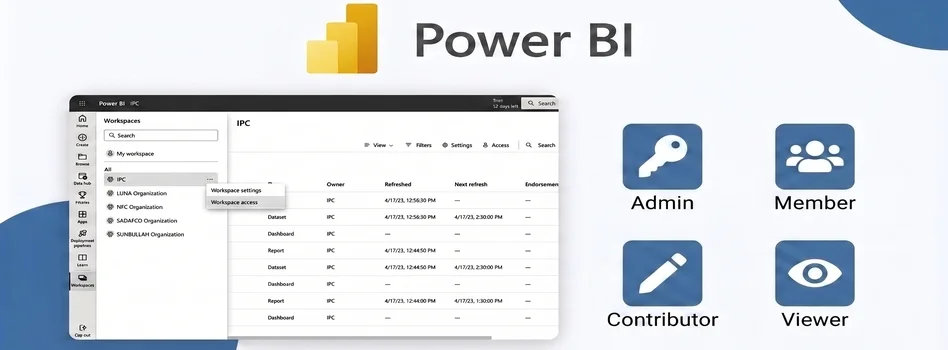
How to Assign Workspace Roles and Permissions in Power BI Service
25-08-2026
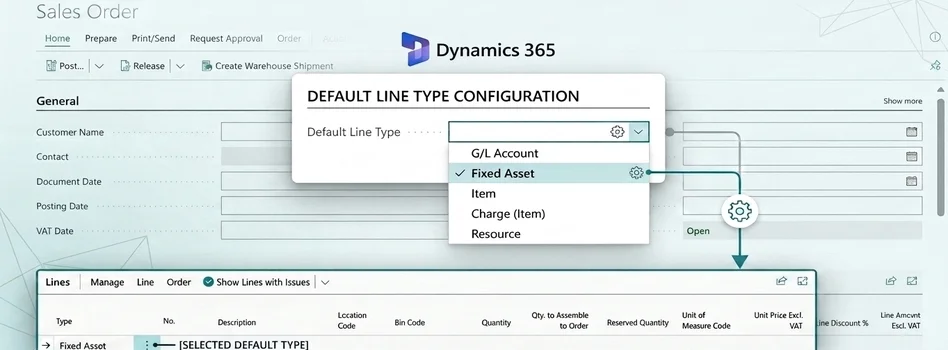
How to Set Default Document Line Types in Dynamics 365 Business Central
25-08-2026

How to Create a List Page in Business Central Using AZ AL Dev Tools
19-08-2026
How to Connect Azure SQL Database to Power BI Desktop
19-08-2026

How to Do Predictive Analysis in Power BI Desktop
07-08-2026

How to Navigate Department Documents in SharePoint
07-08-2026
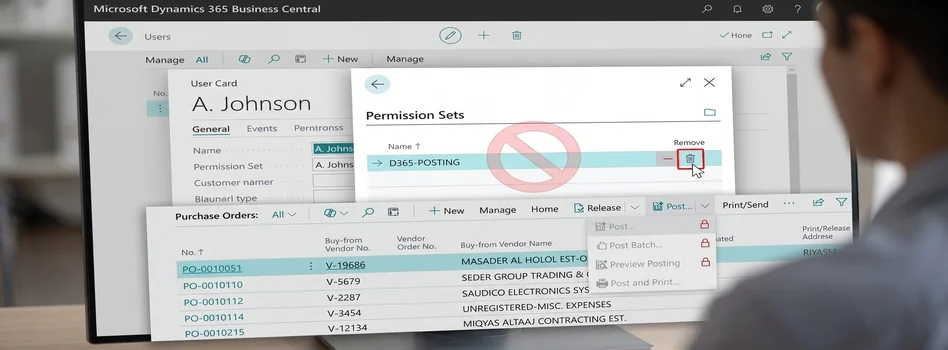
How to Remove or Hide Posting Rights for Users in Dynamics 365 Business Central
07-08-2026
Power BI Mobile Application Features and Usage Guide
27-07-2026
ZATCA E-Invoicing Phase 2 Integration Explained
27-07-2026

Your choice regarding cookies on this site
Policy, By Continuing, You are agreeing to Our Terms of Use and Consenting to the above.
Privacy Policy Powered By |