Business & Tech Essentials
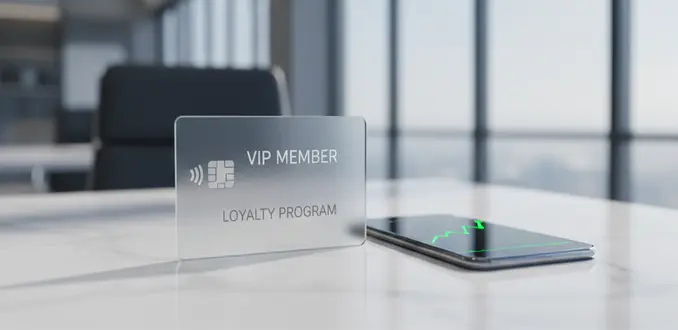
About Loyalty Program and 6 Proven Strategies for Long-Term Growth in 2026
In 2026, customer loyalty is no longer built by discounts alone. Businesses across retail, hospitality, eCommerce, and services are facing intense competition, higher customer acquisition costs, and rapidly changing digital behavior. Customers now expect value beyond price, including convenience, personalization, and meaningful engagement across digital channels. This shift has made loyalty programs a critical business strategy rather than an optional marketing tool.
This guide explains what a loyalty program really is, why businesses must rethink their strategy for 2026, key advantages, and a real success story from Out2Sol Global. You will learn the core principles behind effective programs and six proven strategies that build long-term customer relationships instead of short-term transactions.
What Is a Loyalty Program
A loyalty program is a strategic marketing initiative employed by brands to encourage repeat business by offering rewards, incentives, or loyalty points to customers each time they make a purchase. These programs are designed to create a long-term relationship between the brand and its customers by rewarding their loyalty and ongoing engagement. Instead of focusing only on discounts, it creates an ongoing relationship between the brand and its customers.
At its core, a loyalty program connects customer actions such as visits, purchases, or engagement with rewards that increase over time. This approach helps businesses retain customers while giving customers a reason to stay connected.
The key difference is intent. Loyalty programs are designed to build long-term value, not short-term sales spikes.
Loyalty Program vs One-Time Rewards
|
Aspect |
Loyalty Program |
One-Time Rewards |
|
Customer focus |
Long-term relationship |
Single transaction |
|
Engagement |
Ongoing and cumulative |
Short-lived |
|
Value creation |
Increases over time |
Ends after use |
|
Business impact |
Retention and loyalty |
Temporary sales boost |
Why Loyalty Programs Matter in 2026
Customer acquisition has become more expensive, while customer expectations have increased. Businesses can no longer rely only on promotions to retain attention in competitive markets.
Today’s customers expect personalized interactions, mobile access, and meaningful rewards. Loyalty programs provide businesses with structured data that helps deliver relevant experiences instead of generic offers.
In 2026, loyalty is no longer about discounts. It is about trust, recognition, and building a consistent brand relationship across digital and physical touchpoints.
How Do Loyalty Program Works

Common Types of Loyalty Programs
Loyalty Program models differ based on how customers earn and receive value. Each type serves a specific behavioral purpose and supports long term engagement when applied correctly.
Points Based Programs
Points based loyalty programs allow customers to earn value through repeated actions. Accumulation creates a reason to return and stay active over time.
Tier Based Programs
Tier based loyalty programs group customers by activity level. Higher participation leads to higher recognition and long term commitment.
Cashback and Wallet Credits
Cashback loyalty programs return a portion of spending as a usable balance. This approach is easy to understand and supports repeat usage.
Subscription or Paid Loyalty
Subscription loyalty programs require an upfront commitment. Ongoing benefits encourage frequent interaction and sustained participation.
Experience Based Loyalty
Experience driven loyalty programs focus on access and recognition. These programs strengthen emotional connection rather than transactional value.
6 Best Loyalty Program Strategies for 2026
Successful programs in 2026 require strategic thinking beyond basic point systems. These six approaches help businesses build meaningful long-term relationships with customers

1. Mobile First Loyalty Experience
Customers expect complete program access through smartphones without physical cards or receipts. Mobile apps provide the primary interface for modern loyalty programs.
Key Mobile Features:
-
Instant access to rewards balance and transaction history
-
QR code scanning for quick point accumulation
-
Push notifications for expiring points and special offers
-
Integration with mobile payment systems
-
Location-based rewards and nearby store finder
The mobile experience should be faster and more convenient than any other channel. Customers check points, find locations, and redeem rewards in seconds without multiple screens.
2. Personalized Rewards Using Data
Generic programs send the same offers to everyone. Personalized programs analyze customer data to deliver relevant rewards that match individual interests.
Personalization Tactics:
-
Analyze purchase history to recommend relevant products
-
Send offers based on preferred product categories
-
Time communications when customers typically engage
-
Predict which rewards individual customers will value
-
Adjust reward types based on redemption patterns
Someone who orders coffee every morning receives breakfast bonuses while dinner visitors get evening menu rewards. This targeted approach increases redemption rates and customer satisfaction.
3. Tier and Milestone Based Engagement
Tiered structures create aspirational goals that motivate increased engagement. Customers see their current level and benefits waiting at the next tier.
Sample Tier Structure:
|
Tier |
Benefits |
Requirements |
|
Bronze |
5% discount, basic rewards |
Entry level |
|
Silver |
10% discount, free shipping |
10 purchases |
|
Gold |
15% discount, priority service |
25 purchases |
|
Platinum |
20% discount, exclusive events |
50 purchases |
Milestone Rewards:
-
Celebrate 10th purchase with bonus points
-
Anniversary rewards for one year membership
-
Streak bonuses for consecutive weekly visits
-
Achievement badges for trying new products
These smaller celebrations provide regular positive reinforcement between tier changes.
4. Experience Driven Rewards Instead of Discounts
Price-focused rewards attract price-focused customers who leave when competitors offer better deals. Experience-based rewards build emotional connections that create true loyalty.
Experience Reward Examples:
-
Behind-the-scenes tours or kitchen visits
-
Early access to new menu items before public launch
-
Exclusive member-only events or tastings
-
Meet and greet with chefs or brand representatives
-
VIP seating or priority reservations
-
Cooking classes or workshops
DinesElite successfully implements experience-driven loyalty by offering restaurant members exclusive access to chef's table experiences and priority reservations during peak hours. These memorable moments strengthen brand affinity beyond simple discounts.
5. Gamification and Micro Engagement
Gamification elements make participation more engaging beyond simple point accumulation. Challenges, badges, and achievements create multiple reasons to stay active.
Gamification Elements:
-
Limited-time challenges like "Try 5 menu items this month"
-
Achievement badges for milestones and behaviors
-
Leaderboards for top members in specific categories
-
Streak rewards for consecutive visits
-
Daily check-in bonuses
-
Spin-to-win games for surprise rewards
A restaurant might run a weekend challenge offering bonus points for Saturday and Sunday visits. This drives traffic during specific times while creating specific goals beyond general point earning.
6. Unified Loyalty Across Channels
Customers interact with brands through multiple touchpoints including physical locations, websites, mobile apps, and social media. Unified programs provide consistent recognition across all channels.
Cross-Channel Integration:
-
Points earned online redeemable in-store and vice versa
-
Real-time balance updates across all platforms
-
Consistent tier benefits regardless of channel
-
Single customer profile across all systems
-
Social media engagement earns loyalty rewards
-
Customer service access to full loyalty history
When a customer makes a purchase in-store, their mobile app immediately reflects new points. When they browse the website, they see current balance and personalized recommendations based on complete purchase history. This seamless experience builds trust and differentiates sophisticated programs from fragmented point systems.
6 Benefits of Loyalty Programs
Loyalty programs deliver measurable advantages for businesses across industries. These benefits create long-term competitive advantages and sustainable growth

1. Improve Customer Retention
Retaining existing customers costs significantly less than acquiring new ones. Loyalty programs give customers compelling reasons to return by rewarding continued business. Members feel recognized and valued, strengthening their connection to the brand.
2. Increase in Sales
Program members typically spend more per transaction and visit more frequently than non-members. The prospect of earning rewards or reaching the next tier motivates increased purchase activity.
3. Loyalty Programs Are Cost Effective
Marketing to existing customers delivers higher ROI than broad acquisition campaigns. Programs provide targeted communication channels that reach engaged audiences. The data collected enables precise targeting that reduces wasted marketing spend.
4. Next Level Customer Relationship
Programs create ongoing communication between brands and customers. Regular interactions through app notifications, personalized offers, and exclusive content build relationships beyond transactions.
5. Grow Brand Awareness
Satisfied program members recommend brands to friends and family. Many programs incentivize referrals with bonus rewards. User-generated content from members enjoying exclusive experiences amplifies brand visibility on social media.
6. Loyalty Programs Make Customers Happy
Recognition and rewards create positive emotional experiences that increase satisfaction. Members appreciate personalized attention and exclusive benefits. This happiness translates into positive reviews and word-of-mouth marketing that attracts new customers.
How Technology Powers Modern Loyalty Programs
Technology infrastructure determines what's possible in program design and execution. Modern platforms combine multiple systems to create seamless customer experiences.
Core Technology Components:
-
Mobile applications as primary customer interface
-
Cloud-based platforms for centralized data management
-
Point-of-sale integration for automatic tracking
-
CRM integration for complete customer profiles
-
Real-time sync across all channels
Essential Features:
-
Real-time points tracking and balance updates
-
Automated expiration logic with notifications
-
Analytics dashboards for business intelligence
-
Secure authentication and fraud detection
Need a loyalty app for your business? Our mobile app development services create custom solutions that drive customer retention and engagement.
Analytics tools transform transaction data into strategic insights. Dashboards show active members, redemption rates, and revenue per member. Security features like encryption and fraud detection protect customer data and account value.
DinesElite Loyalty Program Success Story

Out2Sol Global developed Dine's Elite as a unified loyalty platform serving multiple restaurant brands under one ecosystem.
Restaurant Brands:
Platform Features:
-
Unified loyalty across all three brands
-
Mobile ordering with automatic point tracking
-
Tier-based membership with progressive benefits
-
Point expiration management with notifications
-
Gift cards and promo codes
-
Multi-location support
Results:
-
Customers earn and redeem points across all brands
-
Increased repeat visits through targeted offers
-
Higher average order values from tier rewards
-
Reduced manual staff workload through automation
The platform handles complex loyalty mechanics while maintaining simple user experiences for customers and actionable insights for restaurant operators.
Download Now and Join Dine's Elite Loyalty Program and enjoy exclusive rewards!


Measuring Loyalty Program Success
Track metrics that reflect true program health beyond total member counts.
Key Metrics:
|
Metric |
What It Measures |
|
Retention Rate |
Active customers over time |
|
Repeat Purchase Frequency |
How often members return |
|
Redemption Rate |
Percentage of rewards used |
|
Customer Lifetime Value |
Total revenue per customer |
|
Net Promoter Score |
Likelihood to recommend |
-
Customer Retention Rate measures what percentage of customers remain active. Calculate by dividing active customers at period end by customers at period start.
-
Repeat Purchase Frequency tracks how often members return. Compare frequency between program members and non-members to isolate program impact.
-
Redemption Rate shows what percentage of earned rewards customers use. Low rates indicate unappealing rewards or complicated processes.
-
Customer Lifetime Value measures total revenue per customer relationship. Formula: Average Purchase Value × Purchase Frequency × Customer Lifespan.
-
Engagement Metrics include app opens, offer views, challenge completions, and social shares. Higher engagement predicts better retention.
Additional Indicators:
-
Active member percentage (last 90 days)
-
Average days between visits
-
Points breakage rate
-
Program ROI
-
Tier distribution
Monthly reviews allow quick adjustments based on actual performance data.
Final Thoughts
Loyalty programs work when they make customers feel valued beyond discounts. Mobile apps, personalized offers, and tier rewards keep members engaged and coming back.
Successful businesses use loyalty programs to build real relationships with customers. Track what matters like retention rates and repeat purchases. Keep the experience simple and rewards meaningful.
The brands winning in 2026 focus on recognition over price cuts. Give customers reasons to stay through exclusive access, relevant rewards, and seamless experiences across every touchpoint.
Disclaimer: All logos, trademarks, and brand names used in this document are the property of their respective owners. Their use here is for identification purposes only and does not imply endorsement.
Recent News
%20in%20Brief.webp)
AI (Artificial Intelligence) in Brief
08-04-2026
How to Post a Batch in Purchase Orders in D365 Business Central
06-04-2026
How to Manage User Permissions in a SharePoint Document Library
29-03-2026
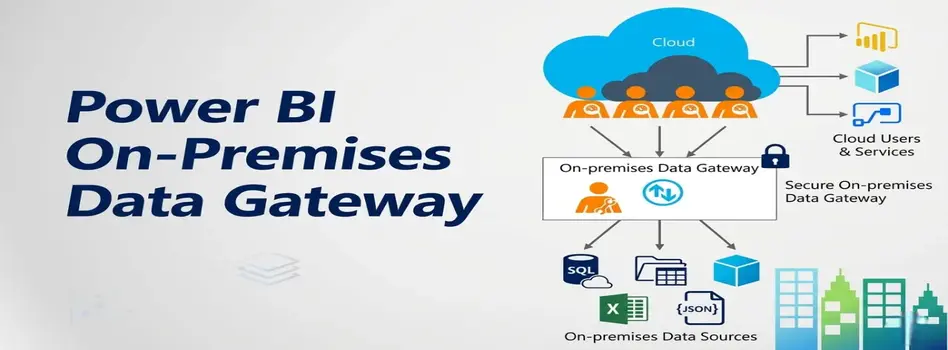
Microsoft Power BI Gateway: A Professional Guide
16-03-2026
Benchmarking Discount Voucher Practices: 2026 Industry Guide
16-03-2026

Importance of Trademarking Your Logo (How to Start Today)
07-03-2026
Set Up Default Account Numbers for BC Sales Invoices
02-03-2026
Saudi PDPL Enforcement Updates & Data Privacy Guidelines
23-02-2026
How to Create a Timeline in Power BI
14-02-2026
Cyber Security Awareness and Compliance Guide for Organizations
07-02-2026

Your choice regarding cookies on this site
Policy, By Continuing, You are agreeing to Our Terms of Use and Consenting to the above.
Privacy Policy Powered By |